
Confinement traditions in Malaysia: Malay, Chinese, and Indian postpartum care compared
By Janice · Updated 2026-08-12
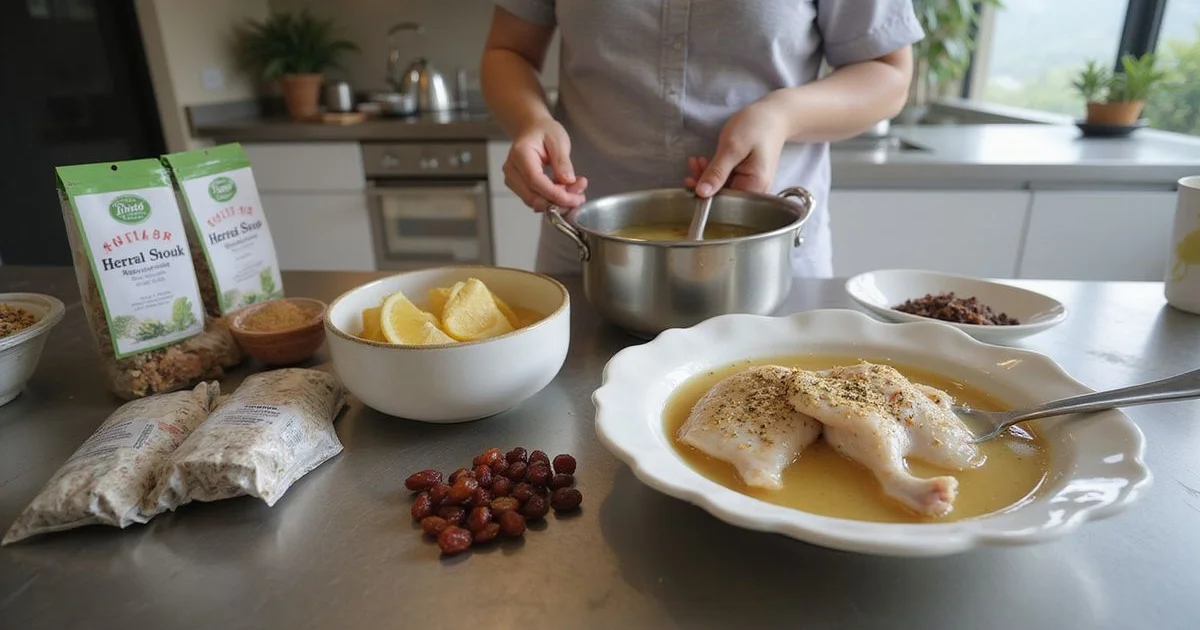
Confinement practices in Malaysia are shaped heavily by cultural tradition, and most confinement centres reflect that by specialising in one approach rather than offering a one-size-fits-all package. Knowing the broad differences helps you search for the right fit faster, and ask better questions once you find a shortlist.
Malay confinement (berpantang)
Traditional Malay postpartum care, berpantang, centres on warming foods, herbal tonics, and a structured rest period, often drawing on Malay traditional medicine practices passed down through generations. Centres following this tradition typically offer Muslimah-friendly arrangements, including halal-certified food and, in many cases, female-only staff for personal care. If religious observance and dietary certification matter to you, confirm halal certification and staff arrangements directly rather than assuming.
Chinese confinement (zuo yuezi)
Zuo yuezi, meaning “sitting the month,” is one of the most widely recognised confinement traditions, built around specific dietary principles, red date and ginger-based dishes, and practices meant to help the body “warm up” after childbirth. Many Malaysian confinement centres built around this tradition offer a structured five-meals-a-day schedule of confinement-specific soups and dishes, along with practices like avoiding cold water or wind exposure during the recovery period.
Indian confinement care
Indian postpartum traditions in Malaysia often include specific herbal oil massages, warming spice-based meals, and rest practices rooted in Ayurvedic principles. Centres specialising in this tradition typically build their food and massage offerings around these practices, and some cater specifically to Indian families seeking a centre that understands these customs without needing to explain them from scratch.
Massage is often a more central part of the daily routine in this tradition than in others, sometimes offered once or twice a day rather than as an occasional add-on. If a specific style or frequency of massage matters to your recovery plan, confirm it as part of the package rather than assuming it matches what you may have seen elsewhere.
Beyond the three main traditions
Malaysia’s confinement centres also include ones that describe themselves as modern or fusion, blending elements from more than one tradition, or dropping stricter practices like avoiding cold water in favour of a more flexible, wellness-spa-style approach. These can suit families who want the general benefit of dedicated rest and baby care without committing fully to any one set of traditional rules. If neither a strictly traditional nor a fully modern approach sounds right, ask a shortlisted centre how much they can flex their usual format to meet you partway.
| Tradition | Typical focus | What to ask about |
|---|---|---|
| Malay (berpantang) | Warming foods, herbal tonics, Muslimah-friendly options | Halal certification, female-only staff |
| Chinese (zuo yuezi) | Structured diet, red date and ginger dishes | Meal schedule, specific soup ingredients |
| Indian | Herbal oil massage, Ayurvedic-influenced meals | Massage frequency, spice and dietary preferences |
Finding a centre that matches your needs
Most confinement centre listings and descriptions make their specialisation fairly clear, often in the name or marketing copy. If you have a specific tradition in mind, search directly for that focus rather than assuming a general-sounding centre will match. If your family blends traditions, for example through intermarriage, it is worth raising this directly during your enquiry: many centres are used to adapting food and practices for exactly this situation. If differing family expectations extend beyond tradition, our guide on choosing a confinement centre the whole family can agree on covers how to work through that together.
It also helps to ask how a centre handles requests that fall outside its usual specialisation. A Chinese-tradition centre asked to prepare halal-certified meals, for instance, needs a genuinely separate kitchen process to do it properly, not just a substituted ingredient here and there. A direct question about kitchen setup and certification is more useful than a general assurance that “it’s fine.”
When tradition and practicality need to balance
Choosing based on tradition alone can sometimes conflict with other priorities, room type, location, or baby care level. If a centre matches your cultural preference but falls short elsewhere, ask specifically whether they can adjust food or practices to your needs even if it is not their primary specialisation, rather than ruling them out entirely.
Our homepage lists sentiment-scored confinement centres across Selangor and Perak, which you can browse by area to find centres serving your preferred tradition. Our methodology explains how we build those scores from real, recurring review themes.
Frequently asked questions
- Do all confinement centres in Malaysia follow one tradition?
- No. Many centres specialise in one tradition, Malay, Chinese, or Indian, based on their food, remedies, and practices, though some offer a more general or blended approach. Ask directly which tradition a centre follows before booking.
- Can a centre accommodate a mix of traditions, for example an interfaith or intercultural family?
- Many can, especially around food substitutions and specific practices, but it varies by centre. Raise your specific needs during your enquiry rather than assuming any single centre automatically covers every tradition.
- Is Muslimah-friendly confinement care widely available?
- Yes, a number of centres specifically market Muslimah-friendly or halal-certified confinement care, with staff and food practices arranged accordingly. Confirm halal certification and staff arrangements directly if this matters to you.
- Does choosing a tradition-specific centre cost more?
- Not inherently. Pricing is driven more by room type and baby care level than by which tradition a centre follows, though specialised herbal remedies or imported ingredients in some traditions can be a modest factor.